
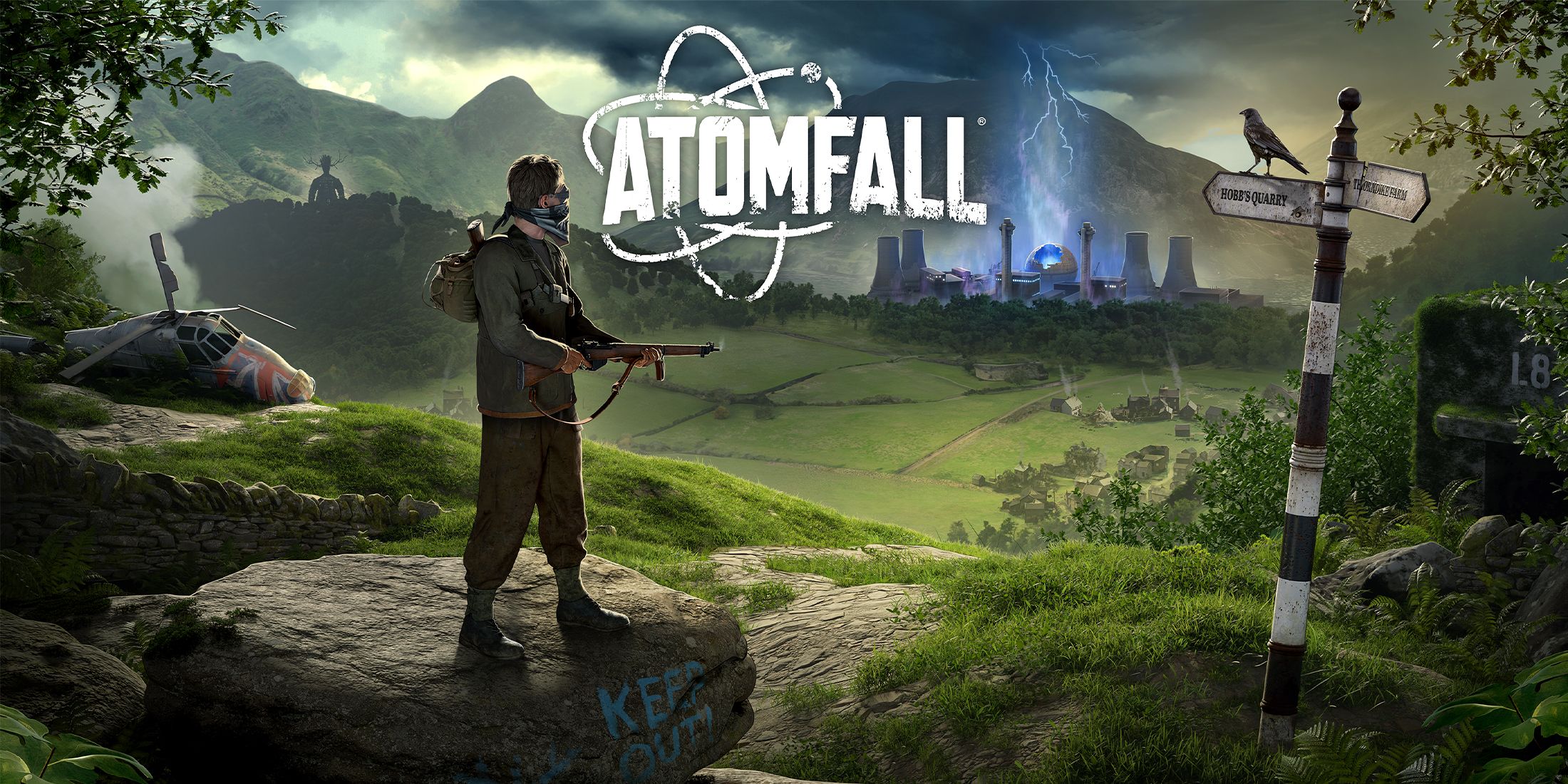
Atomfall is an upcoming survival-action game developed by Rebellion Developments, the studio behind the Sniper Elite and Zombie Army series. Set in an alternate 1962, five years after the Windscale nuclear disaster in Northern England, Atomfall places players in a quarantine zone filled with cultists, irradiated creatures, and rogue government agents. As they are in almost any post-apocalyptic game, players are tasked with exploring this post-nuclear landscape, scavenging for resources and weapons, and uncovering the mysteries surrounding the disaster.
On the surface, Atomfall looks fantastic and has some really great ideas. In fact, it's one of the best-looking games in recent memory and it's hard not to appreciate the ambition. However, despite its captivating exoskeleton and noble intentions, the glaring problem is that most of Atomfall's best ideas are overshadowed by frustrating game design and needless mechanical roadblocks. At the end of a 30-hour playthrough, the game stands out photographically but isn't ultimately memorable.
Atomfall's World Is Gorgeous, Immersive, and Eerily Unsettling
Just by looking at Atomfall, it's easy to discern that its priorities lie in offering players a world that is both captivating to see and enticing to explore. Rebellion has poured an immense amount of detail into Atomfall's world, ensuring that players are never bored with what they're looking at, where they're going, or what they find. Contrary to what may have been believed about it, Atomfall isn't an open-world game but more of a semi-open world that is split into several different sizable zones, each one teeming with the same greenery and wildlife but unique in many other ways. There are also numerous smaller zones to explore, like caves, mines, underground bunkers, and even a castle.
While other post-apocalyptic games like Fallout feature abandoned wastelands with minimal vegetation and occasional pools of irradiated water, Atomfall is a literal breath of fresh air in that sense, as its world is probably one of the greenest, most vegetative landscapes ever seen in a post-nuclear game world. In a way, Atomfall's abundant plant life offers a false sense of hope to the player, since almost everything else in the game is out to kill them for some reason. Nevertheless, it's a refreshing sight for a game like this, and I never once grew tired of looking at it.
Just because Atomfall's world is full of life doesn't mean it's pleasant, however, as its darkest corners are home to some incredibly tense moments that will likely have players scrambling to reload their weapon before they're torn apart by a Feral. Actually, there's nothing more terrifying in Atomfall than hearing a Feral huffing and growling as it runs down the hall trying to find its next victim, and once it catches the scent of its prey, it's difficult to fend off. In addition to those moments, the general atmosphere of the world is thoroughly unsettling, leaning heavily into folk horror and classic British sci-fi for something that feels less like Fallout and more like BioShock.
Atomfall's Exploration-Based Progression Is a Refreshing Change of Pace
Apart from its standout visuals, one clear indicator that Atomfall loves its world more than anything else lies in the way it ties character progression to exploration. Rather than featuring an experience-based progression system, Atomfall encourages players to explore every nook and cranny of its gorgeous world if they want to unlock better skills and improve their character's stats. This is accomplished through finding Training Stimulants in B.A.R.D. containers and other places and then using them to purchase skills. It's a unique change of pace, as it makes Atomfall's gameplay less about killing everything in sight or completing every quest and more about taking in its context.


0 Comments